
Outdoor Faux Plants UV Resistant: How to Choose Durable Artificial Greenery

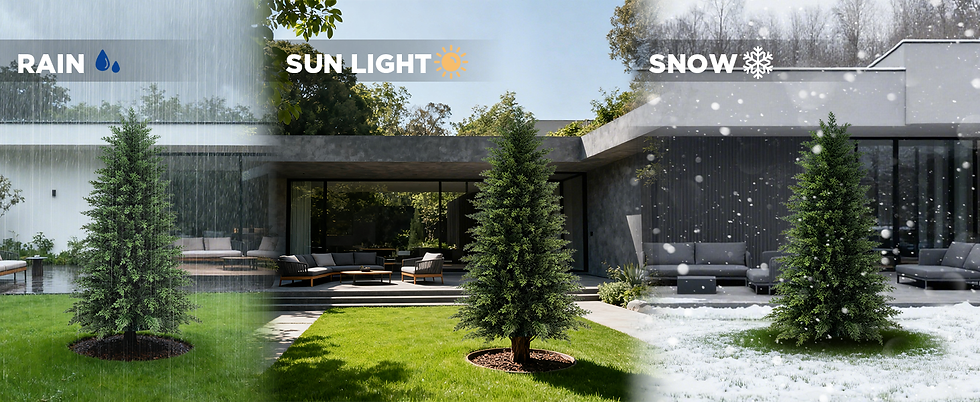
Mavis's Diary Amazon Outdoor Faux Plants UV Resistant: What to Look For
If you want low-maintenance greenery for a patio, balcony, porch, pool area, or commercial entrance, outdoor faux plants UV resistant options can offer a practical alternative to live plants. They provide year-round color without watering, pruning, repotting, or worrying about seasonal changes. The key is understanding what UV resistance means and choosing materials designed for outdoor exposure.
What Does UV Resistant Mean?
UV-resistant artificial plants are treated or manufactured to better withstand ultraviolet radiation from sunlight. This protection helps slow common signs of weathering, including fading, brittleness, cracking, and color changes. However, UV resistant does not mean completely fade-proof. Performance depends on the plant's materials, protective treatment, amount of direct sunlight, climate, and maintenance.
How to Choose Outdoor Faux Plants UV Resistant
1. Check the material and construction
Look for foliage made with outdoor-rated plastics, UV-stabilized polymers, or other materials specifically described for exterior use. Strong stems, secure leaves, and a stable planter are also important, especially in windy locations.
2. Consider your sunlight exposure
A covered porch and a south-facing patio place very different demands on artificial greenery. For full-sun areas, choose products clearly labeled for outdoor use and UV protection. For partial shade, more material options may be suitable, but outdoor-rated construction is still the safer choice.
3. Choose realistic colors and textures
Natural variation usually looks more convincing than a single bright green shade. Mix leaf sizes, subtle color differences, and realistic textures to create a more authentic display. Avoid placing every plant in a straight line; varied heights and shapes look more natural.
4. Select the right planter and base
Outdoor faux plants need a container that can handle moisture and temperature changes. For breezy areas, use a heavy planter or add sand, gravel, or another suitable weight beneath the arrangement. Make sure water can drain so moisture does not collect inside the container.
Where to Use UV-Resistant Artificial Plants
Patios, decks, balconies, and terraces
Front porches and entryways
Poolside seating areas
Outdoor restaurants, hotels, and retail spaces
Office entrances and waiting areas
Covered outdoor living rooms
How Long Do Outdoor Faux Plants Last?
There is no single lifespan for every artificial plant. A high-quality, UV-resistant product may maintain its appearance for years, while an indoor-only plant can fade much sooner outdoors. Direct sunlight, heat, rain, salt air, snow, wind, and air pollution can all affect durability. Before buying, review the product's outdoor-use guidance and any stated UV warranty or care instructions.
Outdoor Faux Plants vs. Live Plants
Artificial plants are useful when you want consistent appearance and minimal care. They do not need sunlight, irrigation, fertilizer, or regular trimming. Live plants may offer fragrance, flowers, and ecological benefits, but they require the right growing conditions and ongoing maintenance. For many busy homeowners and businesses, combining live plants with UV-resistant faux greenery provides a balanced solution.
Care Tips for Longer-Lasting Faux Greenery
Dust the leaves regularly with a soft cloth or gentle brush.
Rinse outdoor-safe plants occasionally to remove dirt and pollen.
Let the foliage dry completely after cleaning.
Inspect planters, stems, and weighted bases after storms.
Move plants to a sheltered location during extreme weather when practical.
Follow the manufacturer's cleaning and placement instructions.
Frequently Asked Questions
Are all artificial plants suitable for outdoors?
No. Many artificial plants are designed only for indoor use. Choose products that specifically state they are outdoor-rated or UV resistant.
Can UV-resistant faux plants be left outside in the rain?
Some can, but the foliage, planter, backing, and base must all be suitable for outdoor conditions. Check the manufacturer's instructions before exposing the arrangement to rain.
What is the best color for outdoor artificial plants?
Natural medium and deep greens often age more gracefully than extremely bright colors. Realistic variation can also help disguise minor weathering over time.
Final Buying Checklist
Before purchasing, confirm four things: the product is labeled for outdoor use, the foliage includes UV protection, the planter can handle local weather, and the base is stable enough for the location. With the right materials and simple care, outdoor faux plants UV resistant can create attractive, dependable greenery with far less maintenance than live plants.
Comments